
 By Usman Khokhar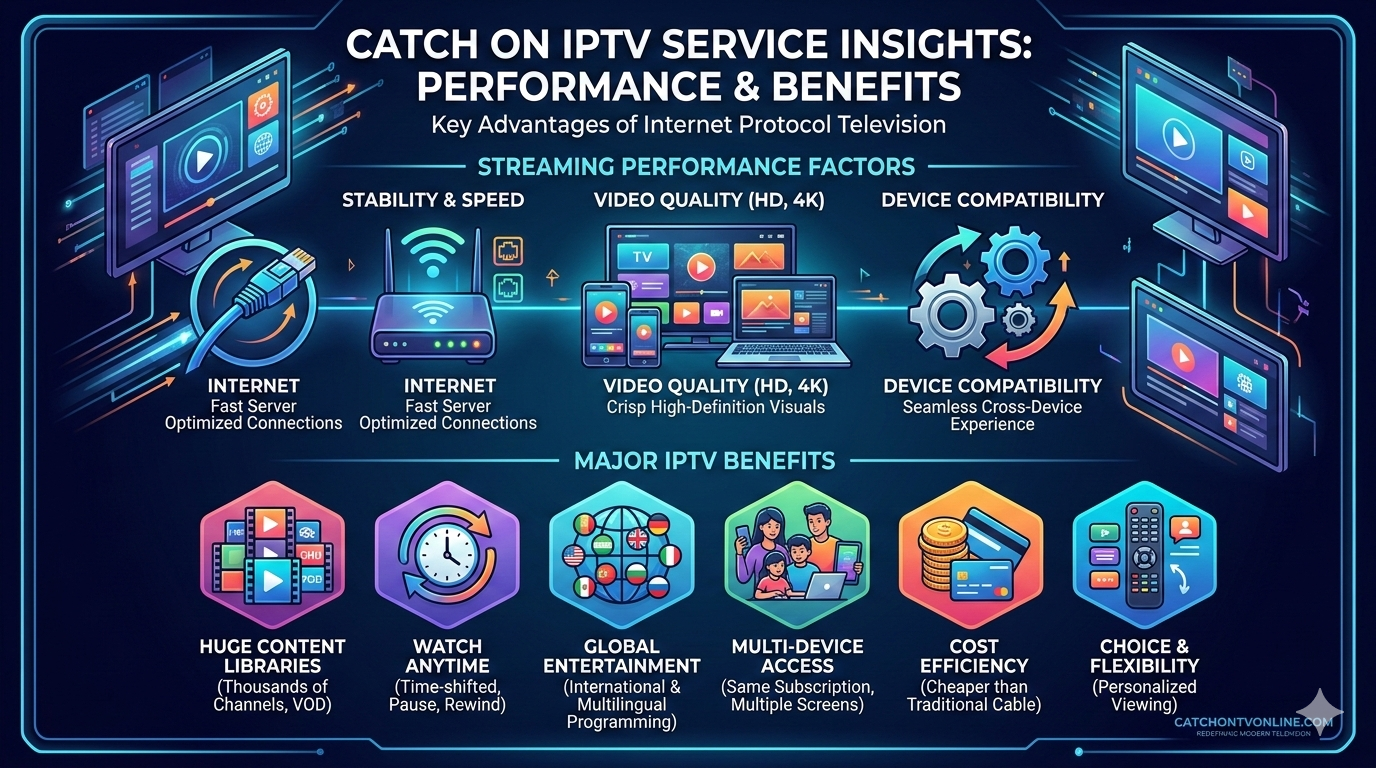
Streaming television has changed a lot over the last decade. Remember when watching TV meant flipping through cable channels and waiting for your favorite show to start? Those days feel… distant now. Today, people want control — over what they watch, when they watch it, and on which device.
That’s where IPTV enters the picture.
Many viewers exploring modern streaming solutions come across catch on iptv while searching for flexible TV services online. And honestly, it’s not surprising. IPTV services promise something traditional TV never really offered: freedom. Freedom to watch live channels, movies, and shows whenever you want — often on multiple devices.
But how does it actually perform? And what real benefits does a service like this bring to everyday viewers?
Let’s dig into it.
What IPTV Actually Means (In Simple Terms)
Before talking about performance or features, it helps to understand what IPTV really is.
IPTV stands for Internet Protocol Television, a system that delivers TV content through internet networks instead of traditional satellite or cable signals.
Instead of broadcasting programs at fixed times, IPTV streams content directly to your device. That means you’re not stuck waiting for a scheduled program — you simply choose what you want and press play.
Here’s the basic idea:
| Feature | Traditional TV | IPTV |
| Content delivery | Cable or satellite | Internet connection |
| Viewing schedule | Fixed broadcast time | On-demand access |
| Device support | Mainly TVs | TVs, phones, tablets, PCs |
| Content control | Limited | Pause, rewind, replay |
And yeah… once people experience that flexibility, it’s hard to go back.
How IPTV Services Deliver Content
So how does the technology behind IPTV actually work?
Well, instead of sending television signals through broadcast towers or satellite dishes, IPTV uses internet data packets to stream video. Servers store the media and deliver it directly to users whenever they request it.
That’s why IPTV platforms often feel faster and more interactive than traditional television.
A typical IPTV setup usually includes:
- A streaming app or IPTV player
- A compatible device (Smart TV, Firestick, phone, etc.)
- A stable internet connection
- Access credentials from the service provider
Once everything’s connected, the content loads almost instantly. Channel switching is quick, and many services allow viewers to pause or replay live programs.
Not perfect every time… but pretty close when the internet connection is strong.
Key Performance Factors of IPTV Services
Performance is usually the first thing users notice with any IPTV service.
Because everything runs through the internet, several factors influence how smooth the experience will be.
1. Streaming Stability
A good IPTV platform should deliver smooth playback without frequent buffering. When servers are optimized, channel switching can feel almost instant.
2. Video Quality
Most modern IPTV providers support:
- HD streaming
- Full HD content
- 4K streams (depending on device and connection)
High-definition support is one of the major advantages of IPTV technology compared with older broadcast systems.
3. Device Compatibility
Another performance advantage… flexibility.
IPTV services usually work on multiple devices:
- Smart TVs
- Android TV boxes
- Smartphones
- Tablets
- Laptops
- Streaming sticks
So instead of one TV controlling everything, each person in the household can watch their own content.
Pretty convenient.
Benefits That Make IPTV Popular
Now let’s talk about the real reason people switch to IPTV: the benefits.
Some are obvious. Others you only realize after using the service for a while.
Major Advantages
- Huge content libraries
Thousands of channels and video-on-demand options are often available. - Watch anytime
Time-shifted TV allows viewers to pause, rewind, or replay shows. - Global entertainment
Many IPTV platforms provide international channels and multilingual programming. - Multi-device access
Watch on phones, TVs, or tablets with the same subscription. - Cost efficiency
IPTV subscriptions are often cheaper than traditional cable packages.
And perhaps the biggest benefit…
Choice.
Instead of being forced into expensive channel bundles, IPTV services usually let users pick content more freely.
A Quick Look at Common IPTV Features
Different providers offer slightly different tools, but many IPTV platforms include features like these:
| Feature | What It Does |
| Live TV | Stream real-time channels from around the world |
| Video on Demand (VOD) | Watch movies or shows whenever you want |
| Electronic Program Guide (EPG) | See what’s currently playing |
| Catch-up TV | Replay previously aired content |
| Multi-screen viewing | Watch different channels on multiple devices |
These features make IPTV feel less like traditional television… and more like a personalized entertainment hub.
Understanding Compatibility and Setup
One thing new users sometimes worry about is setup.
The good news? IPTV usually doesn’t require complicated hardware.
Many people start streaming with devices like:
- Android TV boxes
- Firestick or Fire TV
- Smart TVs
- Mobile apps
Once the app is installed, the service credentials are added — and the channel list loads automatically.
For a broader explanation of how IPTV streaming technology works, you can see details on Wikipedia.
Sometimes the process takes five minutes. Sometimes ten.
Not exactly rocket science.
Performance Tips for Better IPTV Streaming
Even the best IPTV service can struggle if the internet setup isn’t ideal.
A few simple tweaks can make a big difference:
- Use high-speed broadband (at least 20 Mbps recommended)
- Prefer Ethernet connection over Wi-Fi when possible
- Restart the router occasionally
- Close unnecessary apps while streaming
Small adjustments… but they can eliminate buffering issues completely.
The Growing Role of IPTV in Modern Entertainment
There’s a bigger shift happening behind the scenes.
People are moving away from traditional television systems and adopting internet-based streaming. IPTV fits perfectly into this transition because it combines live TV with on-demand entertainment in one place.
Telecom companies and streaming platforms are already investing heavily in IPTV technology as part of bundled digital services.
And honestly, it makes sense.
Viewers today expect:
- instant content
- personalized viewing
- cross-device access
IPTV checks all those boxes.
Final Thoughts
IPTV services are reshaping how people experience television. Instead of rigid schedules and limited channels, viewers now enjoy flexibility, variety, and convenience — all delivered through an internet connection.
Platforms built around IPTV technology aim to provide smoother streaming, broader content libraries, and multi-device compatibility that traditional TV simply can’t match.
Is it perfect? Not always. Internet quality still matters.
But overall… IPTV represents a huge step forward in digital entertainment.
And for many viewers exploring streaming options today, it’s becoming the go-to way to watch TV.