 By Admin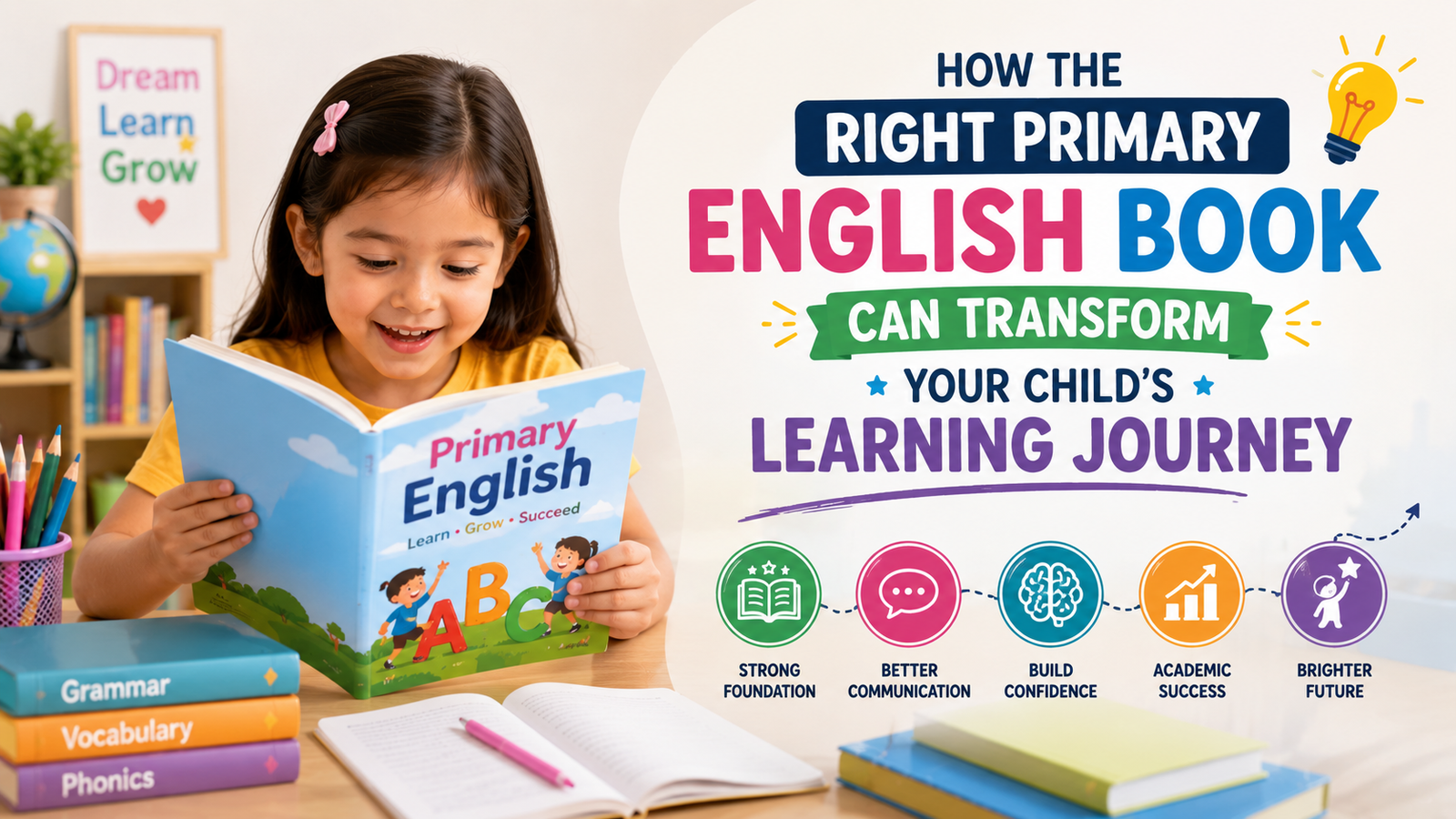
English is one of the most important subjects in a child’s education, forming the foundation for communication, academic success, and lifelong learning. During the primary school years, students develop essential reading, writing, grammar, and comprehension skills that support every other subject. Choosing the right primary English book gives children structured learning opportunities, meaningful practice, and engaging activities that build confidence while strengthening language abilities. With quality educational resources and consistent guidance, students become more effective communicators and develop the skills needed to succeed both in school and beyond.
Strong English skills open doors to better learning experiences. Children who communicate confidently often participate more actively in class, understand instructions more easily, and enjoy reading with greater enthusiasm.
Key Takeaways
|
Why English Learning Is Essential During Primary School
Primary school is the stage where children develop the language skills they will use throughout their academic journey. Reading comprehension, vocabulary, grammar, and writing abilities become increasingly important as students progress through different subjects.
A well-designed English learning resource supports classroom instruction by providing additional explanations, guided exercises, and opportunities for independent practice. Regular revision helps children understand concepts more thoroughly while building confidence through gradual improvement.
The benefits include:
- Better reading comprehension
- Improved grammar skills
- Stronger vocabulary
- Clearer written communication
- Greater classroom confidence
These abilities contribute to long-term academic success while preparing students for higher levels of education.
Building Strong Reading Habits
Regular reading helps children improve comprehension, vocabulary, and overall language confidence.
Developing Effective Communication Skills
Strong communication allows students to express ideas clearly in both written and spoken English.
How Quality English Books Improve Learning
Educational books provide children with structured lessons that reinforce classroom learning while encouraging independent study. Instead of simply memorising grammar rules, students learn how to apply language skills through meaningful exercises and practical examples.
Many English books include comprehension passages, grammar practice, vocabulary activities, and writing exercises that gradually increase in difficulty. This progressive approach allows children to strengthen their skills step by step without feeling overwhelmed.
| Learning Feature | Student Benefit |
| Reading passages | Better comprehension |
| Grammar exercises | Improved language accuracy |
| Vocabulary activities | Expanded word knowledge |
| Writing practice | Stronger composition skills |
| Revision exercises | Greater examination confidence |
These learning features work together to create a balanced approach to English language development.
Learning Through Structured Practice
Step-by-step exercises help students build confidence while improving their understanding of English concepts.
Reinforcing Classroom Lessons
Additional practice allows children to strengthen areas that require further attention outside school.
Strengthening Reading, Writing, and Vocabulary Together
Effective English learning combines multiple language skills rather than focusing on only one area. Reading improves comprehension, writing develops communication, and vocabulary strengthens both speaking and composition.
Students who practise these skills consistently become more comfortable understanding texts, organising ideas, and expressing themselves clearly. They also develop stronger critical thinking because they learn to interpret information rather than simply memorise it.
Regular English practice develops:
- Reading confidence
- Writing fluency
- Vocabulary growth
- Grammar accuracy
- Critical thinking
These essential skills support academic success across every subject throughout primary school.
Creating Consistent Learning Habits at Home
Learning continues beyond the classroom, making home practice an important part of language development. Parents can support their children’s progress by creating regular reading routines and encouraging short English activities each day.
Simple habits such as reading stories together, discussing new vocabulary, or completing a few grammar exercises help reinforce classroom learning while making English enjoyable.
Encouraging Daily Reading
Even 15 minutes of reading each day helps improve vocabulary, comprehension, and language fluency.
Celebrating Small Learning Achievements
Recognising progress motivates children to continue learning while building confidence in their abilities.
Choosing the Right Primary English Book
Selecting the right learning resource can make a significant difference in a child’s academic progress. A well-designed English book should do more than provide exercises—it should explain concepts clearly, encourage independent thinking, and gradually increase the level of difficulty as students improve.
Parents should also choose books that follow the current curriculum and include a balanced mix of reading, grammar, vocabulary, comprehension, and writing activities. This comprehensive approach helps children strengthen every aspect of language learning instead of focusing on only one skill.
Features to Look for in a Good English Learning Book
Choose books that include:
- Curriculum-aligned lessons
- Step-by-step grammar explanations
- Reading comprehension passages
- Vocabulary-building activities
- Writing and composition practice
- Revision exercises with answer guides
These features help students develop stronger language skills while making revision more organised and productive.
Explore More Learning Resources
Students can further strengthen their language development with Primary School Books, which provide additional learning support across English, Mathematics, Science, and Chinese while reinforcing classroom lessons.
Smart Study Strategies for Better English Performance
Strong English skills develop through consistent practice rather than last-minute revision. Students who read regularly, complete writing exercises, and review grammar concepts throughout the year often demonstrate greater confidence in both classroom activities and examinations.
Parents can support learning by encouraging daily reading, discussing stories together, and introducing new vocabulary during everyday conversations. These simple activities create meaningful opportunities for children to apply language naturally.
Helpful study strategies include:
- Read English books every day.
- Practise writing short paragraphs regularly.
- Learn and review new vocabulary weekly.
- Complete grammar exercises consistently.
- Review mistakes after every practice session.
These habits build strong language foundations while encouraging independent learning.
Common Learning Mistakes to Avoid
Even enthusiastic learners sometimes develop habits that slow their progress. One common mistake is focusing only on grammar exercises while neglecting reading and vocabulary development.
Another challenge is memorising answers without understanding the language rules behind them. Genuine understanding enables students to apply their knowledge confidently in new situations.
Common mistakes include:
- Reading too little outside school
- Memorising without understanding
- Ignoring vocabulary development
- Skipping writing practice
- Studying only before examinations
Avoiding these habits helps children become more confident and capable English learners.
Why Quality Educational Resources Matter
High-quality educational resources provide structured learning experiences that complement classroom instruction while encouraging independent study. Books developed by experienced educational publishers present language concepts clearly, allowing students to strengthen reading, writing, grammar, and comprehension skills progressively.
Reliable learning materials also help parents support learning at home by providing organised lessons and meaningful practice activities. This combination of classroom learning and home revision encourages steady improvement throughout the primary school years.
Final Takeaway
A strong foundation in English benefits children throughout their education by improving communication, comprehension, writing, and critical thinking skills. With consistent practice, positive encouragement, and carefully selected learning materials, students can develop the confidence needed to succeed in school and beyond.
Purchase educational books at sapgrp.com and discover trusted resources designed to help students achieve their academic goals with confidence.
Frequently Asked Questions
- Why is English important during primary school?
English is the foundation for learning across many subjects because it supports reading comprehension, communication, and writing skills. Strong English abilities also help children understand classroom instructions and express their ideas more confidently.
- How can parents help children improve their English skills at home?
Parents can encourage daily reading, discuss stories together, introduce new vocabulary, and create regular opportunities for writing practice. Consistent encouragement helps children become more confident and motivated learners.
- What should parents look for in an English learning book?
Parents should choose books that provide clear explanations, engaging reading passages, grammar exercises, vocabulary activities, and writing practice. Resources that follow the school curriculum also support more effective revision.
- How often should primary school students practise English?
Short daily practice sessions are generally more effective than occasional long study periods. Regular reading, writing, and vocabulary review help children retain knowledge and improve steadily over time.
- How do English books help build confidence in young learners?
English books provide structured activities that allow children to practise new skills gradually while reinforcing classroom learning. As students experience regular progress, they become more confident in reading, writing, speaking, and understanding English.